Non-Partisan Record: Diplomatic Outreach & Humanitarian History
The Peace 2000 Institute is an independent Icelandic peace and humanitarian organisation established in 1995. Its work focuses on preventing war, protecting civilians and pursuing negotiated solutions to international conflicts.
Peace 2000 promotes dialogue between opposing parties, mutual security and peaceful resolution. Understanding the causes of conflict and warning of the consequences of military escalation are essential to this work; they should not be confused with support for military aggression or the territorial ambitions of any state.
Peace 2000’s guiding concern is the protection of human life. States and borders may change; people remain, if they are allowed to live in peace.
This page documents the organisation’s diplomatic initiatives and humanitarian record.
1. Bilateral Diplomatic Engagement in the Russo-Ukrainian Conflict
Peace 2000’s diplomatic record includes engagement with both Ukrainian and Russian leadership. The proposals documented below reflect the organisation’s commitment to dialogue, mutual security and the prevention of wider war.
Prior to and throughout the active conflict, Peace 2000 submitted identical or synchronized peace frameworks, mutual security models, and humanitarian proposals concurrently to leadership in both Kyiv and Moscow:
- Pre-Invasion Proposal to President Volodymyr Zelenskyy: Prior to the 2022 escalation, Peace 2000 transmitted a direct proposal to the President of Ukraine outlining diplomatic steps and mutual security guarantees to head off wider war and protect civilians.
- Bilateral Outreach to President Vladimir Putin: Parallel framework demands were submitted directly to the Russian leadership, calling for an immediate halt to hostilities, respect for international borders, and strict adherence to international conflict resolution channels.
- European Collective Security Alliance: Peace 2000 proposed a non-partisan security model aimed at establishing an all-European collective agreement to ensure mutual safety without military aggression.
2. The 2014 Crimea Debate: Context and the Protection of Human Life
In 2014, Peace 2000’s founder, Thor Magnusson, participated in public debate about the Crimea referendum and the risk of military escalation. His argument concerned the alternatives to respecting the referendum result and the potential human cost of attempting to determine Crimea’s future through military force.
Crimea’s strategic importance, including Sevastopol’s role as the base of Russia’s Black Sea Fleet, made the situation particularly dangerous. The wider strategic context included the confrontation between Russia and the United States, both nuclear powers. The concern was that military intervention could cause extensive loss of life in Crimea and escalate into a much wider conflict, with potentially catastrophic consequences.
Iceland’s own history offers a perspective on the human cost of territorial conflict. When British forces occupied Iceland in 1940, Iceland did not resist militarily. The point is not that the situations are equivalent, but that protecting human life must remain paramount. The people of Crimea have largely been spared the scale of warfare and loss of life experienced elsewhere in Ukraine over the past 12 years. Political leadership may change, and borders may change again; the lives lost in war cannot be restored.
3. Historical Operational Precedents in War Zones
Peace 2000’s commitment to civilian relief and non-alignment is backed by nearly three decades of active operations under international oversight:
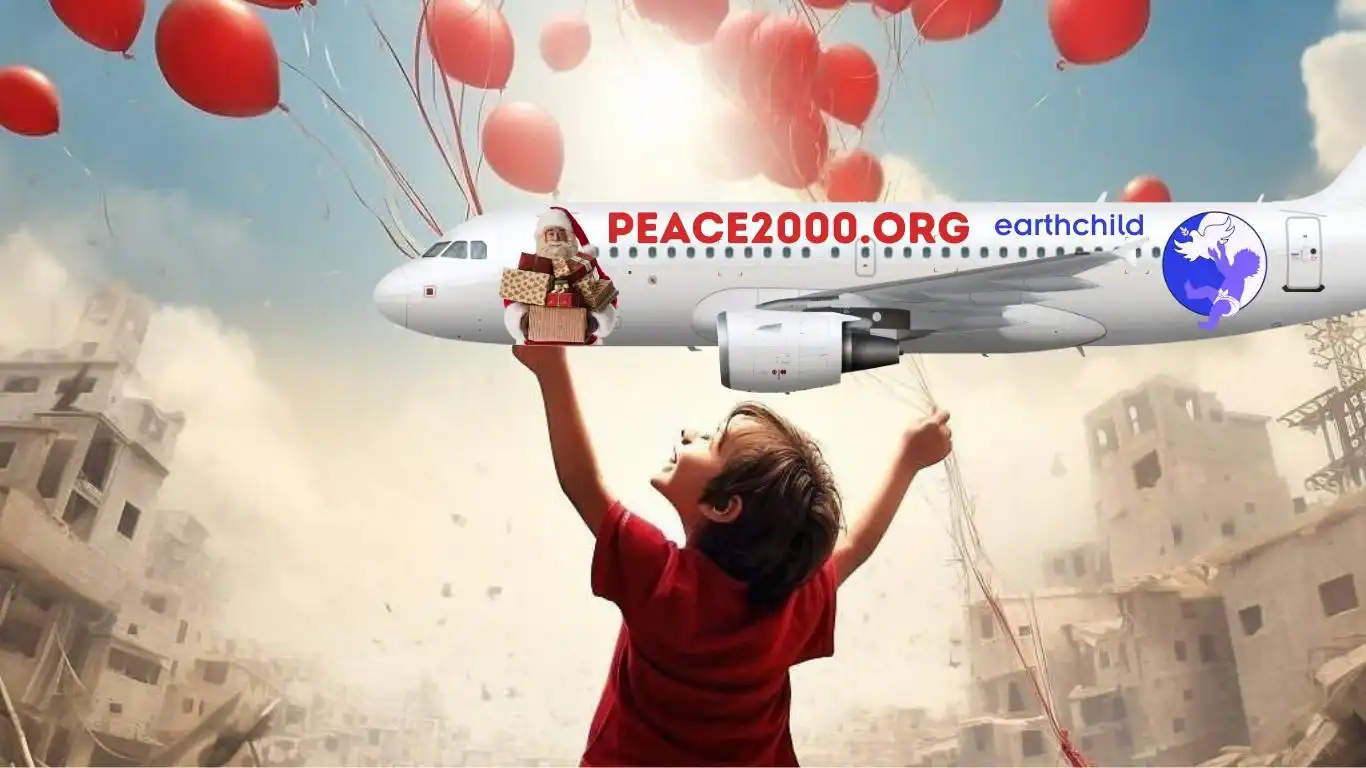
- Sarajevo Relief Airlift: Coordinated humanitarian flights into active conflict airspace under the operational frameworks of the ICRC, UN Security Council resolutions, and NATO airspace management.
- Baghdad Peace Mission: Executed non-partisan humanitarian relief operations in partnership with the Red Crescent during active hostilities.
4. Humanitarian Action Is Not Political Endorsement
Peace 2000’s history illustrates the distinction between protecting civilians and endorsing the political leadership of a country.
In Iraq, Peace 2000 campaigned against sanctions because of their humanitarian consequences for children and other civilians. During its Baghdad mission, the delegation witnessed pharmacies with empty shelves and severe shortages of medical supplies. When a critically ill Iraqi child needed medical supplies unavailable in Iraq, Thor Magnusson refused to leave without the child. The child was transported on Peace 2000’s flight to a hospital in the Netherlands. The evacuation attracted international media attention. The campaign against sanctions was a humanitarian position, not an endorsement of Saddam Hussein’s government.
The 2014 Crimea debate involved the same fundamental concern for human life. Thor Magnusson’s argument focused on the danger of military intervention, escalation between nuclear powers and the potential consequences for the people living in Crimea. He disputes interpretations of the press account that present his argument as an endorsement of Russia’s annexation.
In both cases, the central concern was the human cost of political and military decisions. Protecting civilians and seeking to prevent war are not endorsements of the governments, policies or territorial ambitions involved.
Peace Initiatives Document Links:
Peace 2000 proposals for peaceful resolution of the conflict: